Construction of Rotterdam rail freight yard begins

31.10.2025

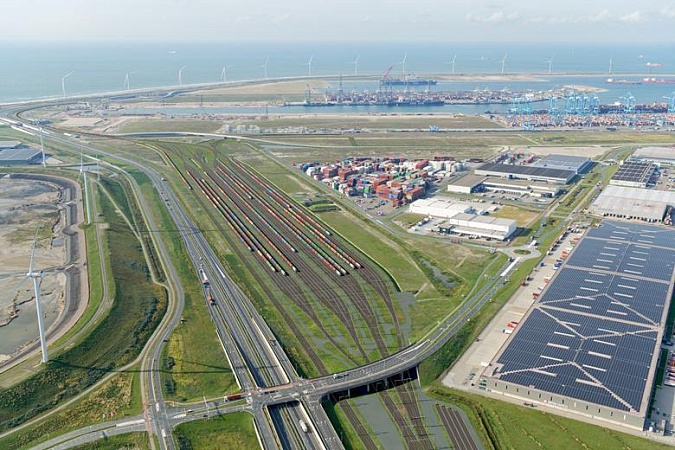
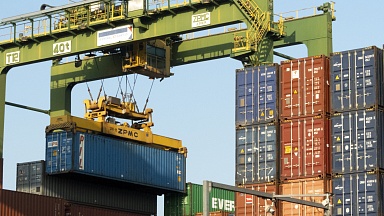
NETHERLANDS: The Port of Rotterdam Authority, railway infrastructure manager ProRail and contractor Swietelsky Rail Benelux have begun construction of a yard to facilitate the growth of container traffic from the Maasvlakte area of the port.

Following preparatory works by Swietelsky, the main works for the Emplacement Maasvlakte Zuid project were officially launched with a ceremony on October 10.

The initial phase involves the construction of six sidings suitable for 740 m trains, an increase from the current 600 m, along with connections to the existing rail infrastructure. Commissioning is planned for in mid-2027.

The implementation of the next three phases of the EMZ project is dependent on freight forecasts for the period after 2027. Plans for completion by 2040 include up to four sets of six tracks, further electrification around the yard, track realignment and the construction of two through tracks.

The port authority said ‘efficient and accessible international rail connections with short transit times from ports and industrial clusters are crucial for the economy and society and provide a competitive advantage for the Netherlands. These are key prerequisites for our seaports, and thus for the Dutch economy.’
Available after authorization
Sign in
Available after authorization
Sign in
Analytics on topic
Report
12.06.2020
Report
12.06.2020
French economic outlook
The current situation in France’s rail freight market and the forecast of the main macroeconomic indicators point to the revival of economic activity.
Report
27.11.2020
Report
27.11.2020
The Eurasian Landbridge: Implications of Linking East Asia and Europe by Rail

The Eurasian landbridge has contributed to increased sustainable connectivity between the EU and China during the decade of the 2010s. Felicitously, this market-driven development preceded, and also complemented, major foreign economic policy announcements by China and the EU and reinforces their goal of increased connectivity. The resulting connectivity is likely to survive any bilateral political debacles because the economic foundation is strong